Seasonal Safety Preparations: Ensuring Workplace Safety in the Pacific Northwest


The Pacific Northwest is known for its breathtaking landscapes, diverse weather patterns, and distinct seasonal changes. These elements, while beautiful, also pose unique challenges for maintaining workplace safety. As we transition from summer to fall and winter, it’s crucial for businesses to prioritize safety preparations to protect their employees and operations.

Understanding Seasonal Hazards
Each season in the Pacific Northwest brings its own set of hazards. Fall often introduces heavy rains, which can lead to slippery surfaces and potential flooding. As winter approaches, the risk of snow and ice increases, affecting both outdoor and indoor work environments. Recognizing these hazards is the first step in preparation.
Rain and Flooding
Heavy rainfall is a common occurrence in the fall, making it essential to ensure that drainage systems are clear and functioning. This helps prevent water accumulation that can lead to slippery floors and walkways. Businesses should also have a flood response plan in place, particularly those located in low-lying areas.
Snow and Ice
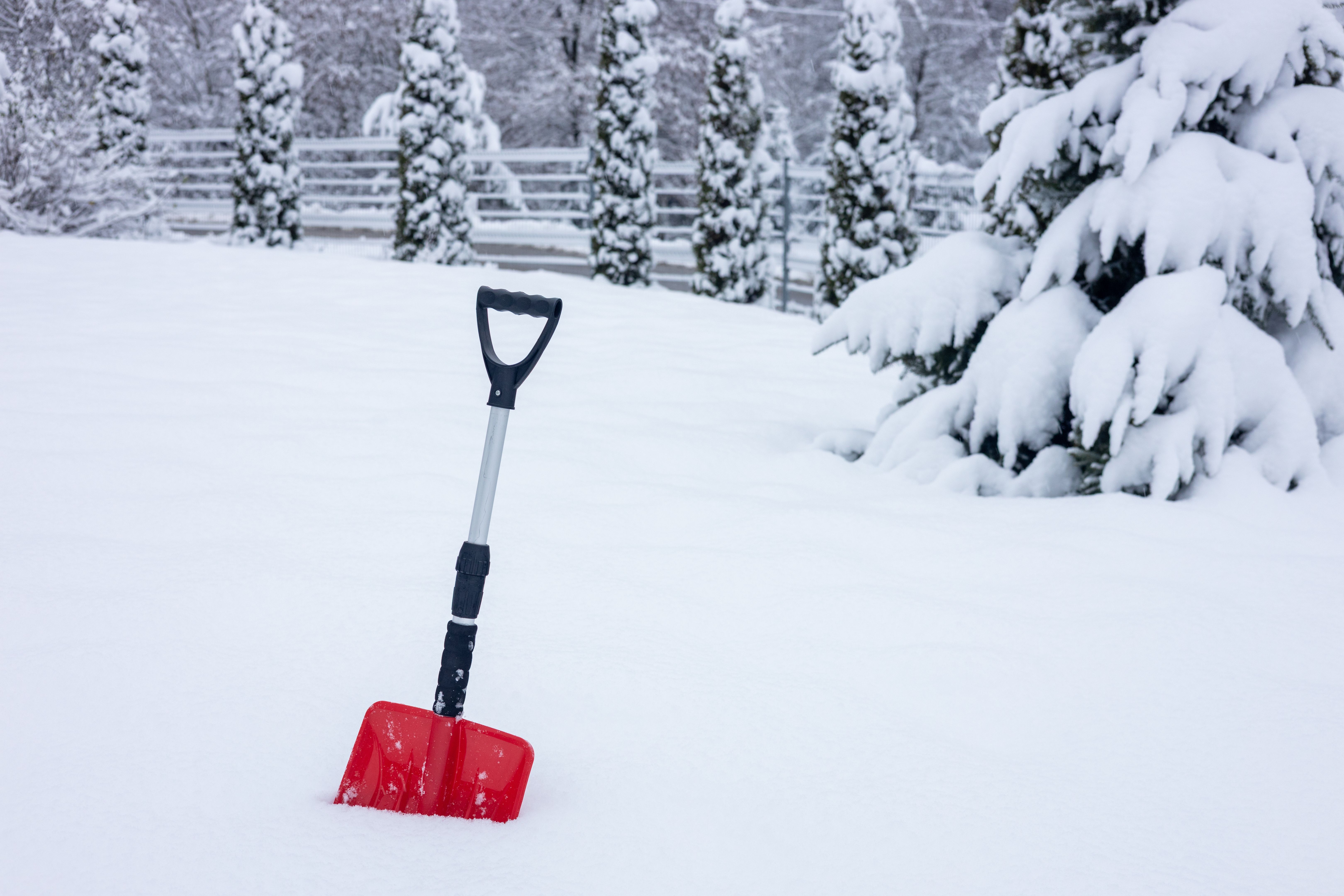
Winter in the Pacific Northwest can bring about significant snowfall and icy conditions. It's important to stock up on de-icing materials and ensure that all pathways, parking lots, and entrances are regularly cleared. Employees should be reminded to wear appropriate footwear to reduce the risk of slips and falls.
Indoor Safety Measures
While outdoor conditions are a primary concern, indoor safety must not be overlooked. Heating systems should be inspected and maintained to prevent malfunctions that could lead to cold working conditions or even fire hazards. Additionally, ensure that walkways indoors are free of clutter to allow for safe evacuation if necessary.
Ventilation and Air Quality
With windows often closed during colder months, ensuring proper ventilation is crucial. Regular maintenance of HVAC systems can help maintain good air quality, which is essential for employee health and productivity. Consider installing air purifiers in areas with poor ventilation.
Employee Training and Awareness
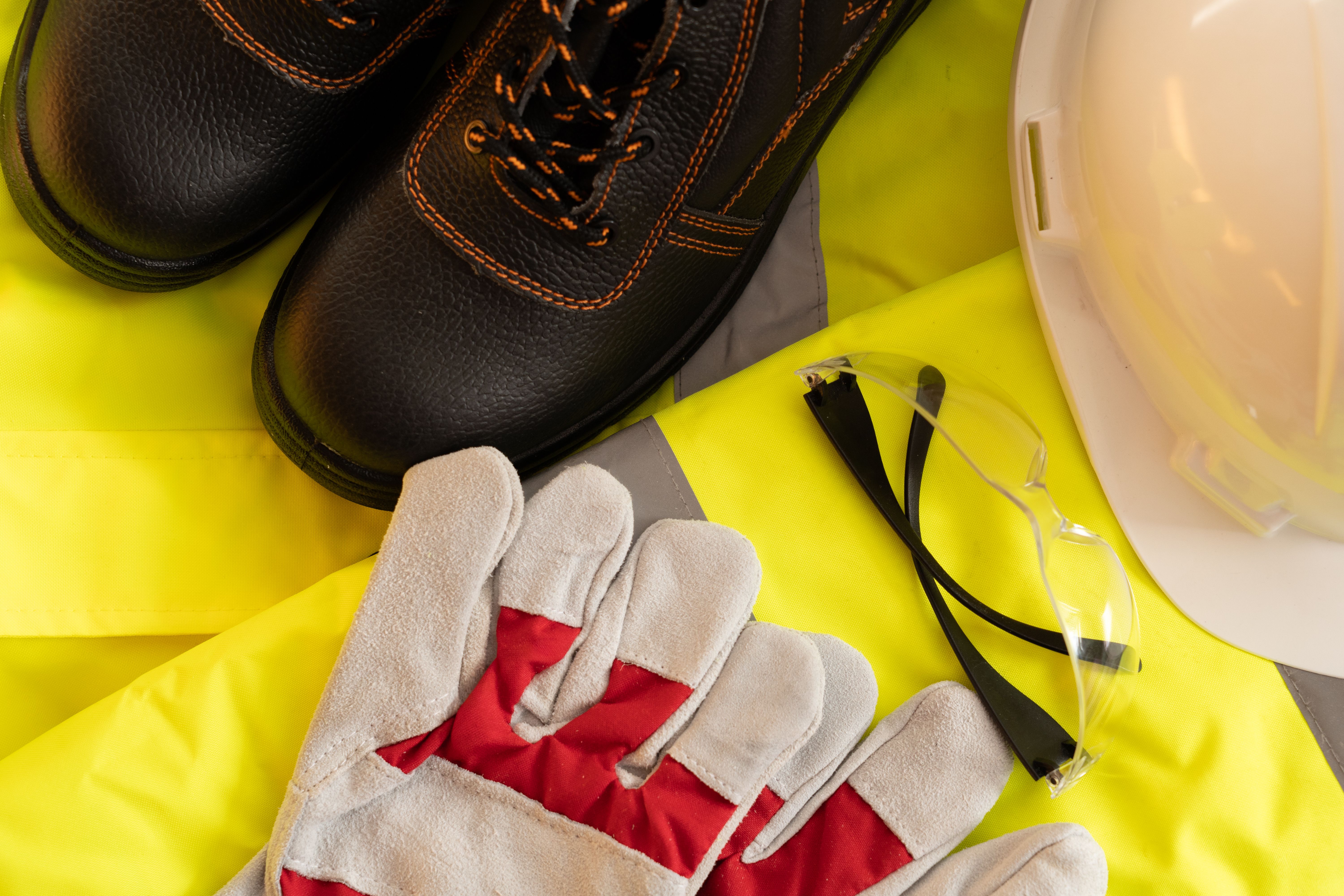
Employee training is a key component of seasonal safety preparations. Regular safety drills and information sessions should be conducted to keep everyone informed about potential hazards and the appropriate responses. Encourage employees to report any unsafe conditions promptly.
Additionally, creating a culture of safety ensures that everyone takes responsibility for their own safety and that of their coworkers. This includes encouraging open communication about safety concerns and suggestions for improvement.
Emergency Preparedness
Having a comprehensive emergency preparedness plan is vital. This should include clear evacuation routes, communication protocols, and designated assembly points. Ensure that all employees are familiar with the plan and conduct regular drills to test its effectiveness.
In conclusion, by understanding the unique seasonal challenges of the Pacific Northwest and taking proactive measures, businesses can create a safer workplace environment. Prioritizing safety not only protects employees but also contributes to operational efficiency and peace of mind.