Exploring Emerging Workplace Safety Technologies: What Businesses Need to Know


Revolutionizing Workplace Safety
In today's fast-paced business environment, ensuring workplace safety is more important than ever. With the advent of new technologies, companies have the opportunity to enhance safety measures and protect their employees more effectively. From wearable technology to AI-driven analytics, these innovations are reshaping how businesses approach safety.

Wearable Technology: A New Frontier
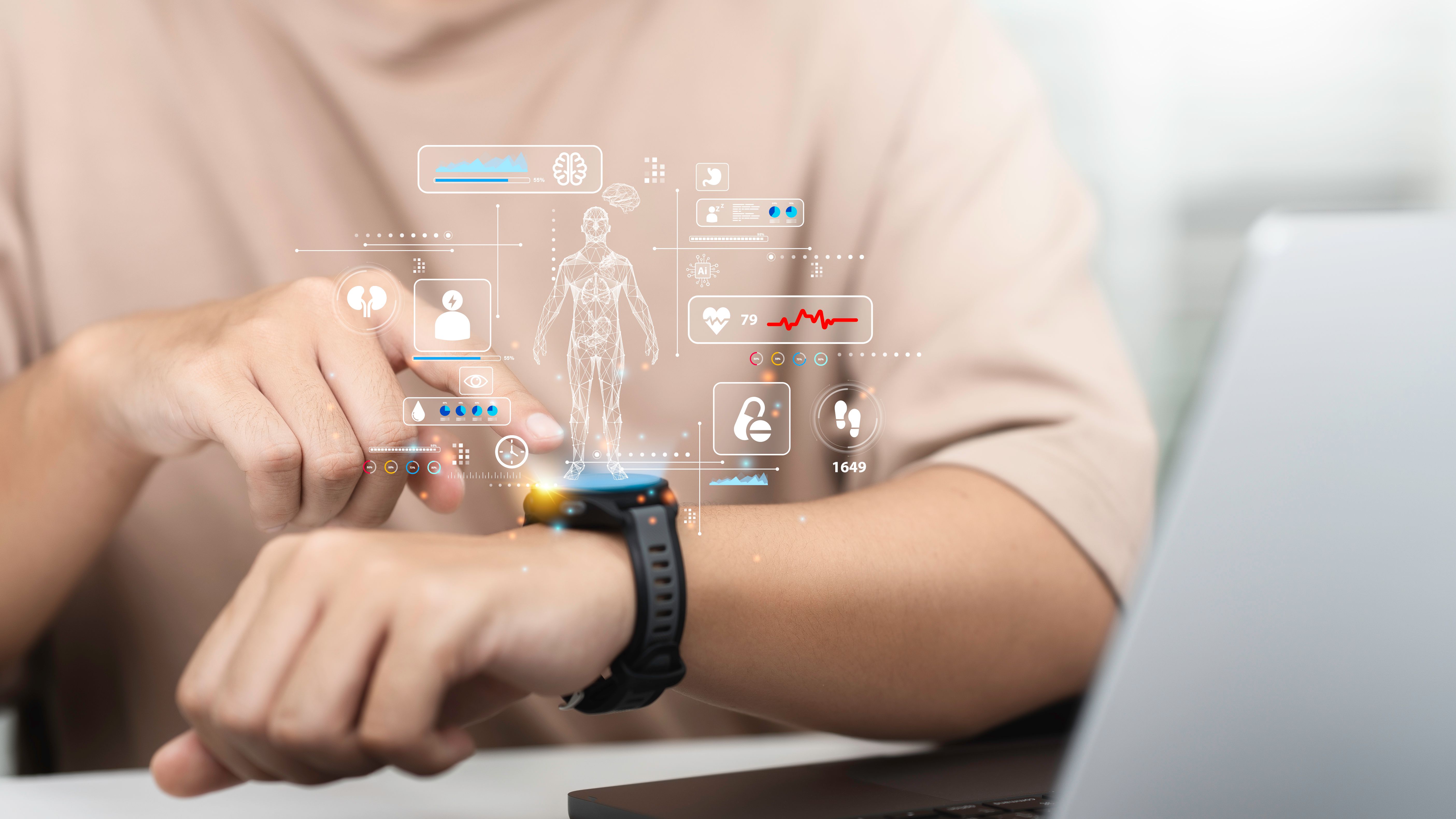
Wearable technology is rapidly gaining traction in the workplace safety landscape. These devices can monitor vital signs, detect hazardous conditions, and alert workers to potential dangers. For example, smart helmets equipped with sensors can provide real-time data on environmental conditions, helping to prevent accidents before they occur.
Moreover, wearable devices can track fatigue levels, ensuring that employees are well-rested and alert while on the job. This proactive approach not only enhances safety but also boosts productivity by reducing the likelihood of accidents and injuries.
AI and Machine Learning: Anticipating Risks
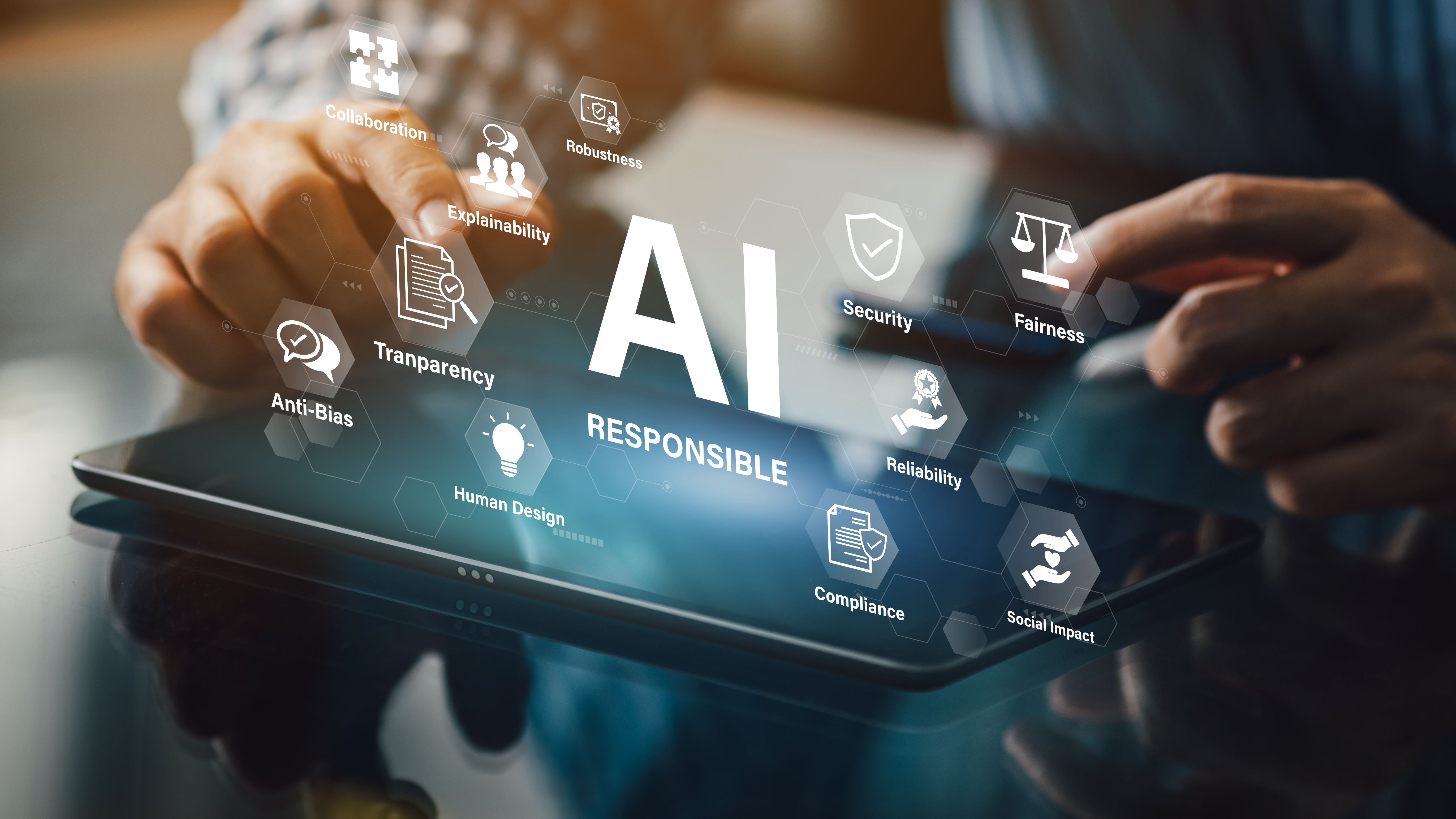
Artificial intelligence and machine learning are transforming how businesses manage workplace safety. By analyzing vast amounts of data, AI systems can identify patterns and predict potential risks before they become serious threats. This allows companies to implement preventive measures, reducing the likelihood of incidents.
AI-driven analytics can also help in optimizing safety protocols, ensuring that they are both effective and efficient. By providing insights into safety trends, businesses can continuously improve their safety strategies, adapting to new challenges as they arise.
Drone Technology: Eyes in the Sky
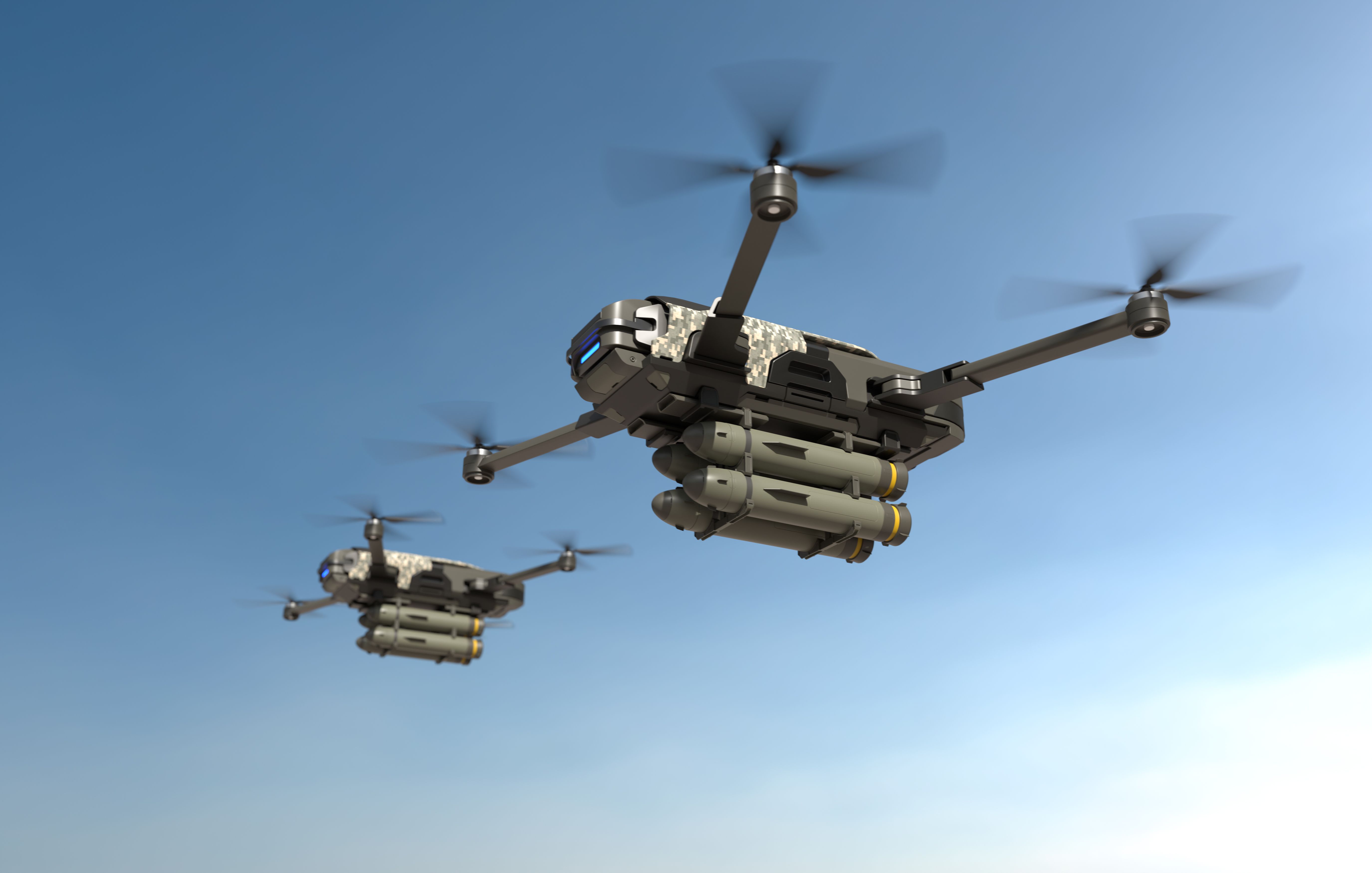
Drones are becoming invaluable tools for enhancing workplace safety, particularly in industries such as construction and logistics. These devices can conduct aerial inspections, monitor large areas, and provide real-time data about site conditions. By offering a bird's-eye view, drones help identify potential hazards that might be missed from the ground.
Additionally, drones can access hard-to-reach places, reducing the need for workers to enter potentially dangerous areas. This minimizes the risk of accidents and ensures that safety inspections are thorough and comprehensive.
Virtual Reality: Training for the Future
Virtual reality (VR) is revolutionizing safety training by providing immersive, hands-on experiences. Employees can engage in realistic simulations of emergency situations, allowing them to practice responses without the risks associated with real-life drills.
VR training is especially beneficial for high-risk industries, as it enables workers to experience potentially dangerous scenarios in a controlled environment. This not only improves preparedness but also boosts confidence, leading to more effective responses in actual emergencies.

The Road Ahead
As these technologies continue to evolve, businesses must stay informed and adaptable. Embracing these innovations not only enhances safety but also demonstrates a commitment to employee well-being. By investing in emerging technologies, companies can create safer, more efficient workplaces.
Ultimately, the integration of these advanced safety technologies represents a significant step forward in protecting workers and promoting a culture of safety. As businesses continue to explore these innovations, the future of workplace safety looks promising and secure.