Expert Insights: The Future of Risk Management and Safety Consulting


Understanding the Evolving Landscape of Risk Management
Risk management and safety consulting have undergone significant transformations in recent years. As industries become more complex, the need for advanced risk management strategies becomes increasingly critical. This evolution is driven by technological advancements, regulatory changes, and the ever-expanding scope of global operations.
One major trend is the integration of digital technologies in risk management practices. Companies are leveraging data analytics, artificial intelligence, and machine learning to predict and mitigate risks more effectively. These technologies enable businesses to analyze vast amounts of data, identify patterns, and develop proactive strategies to address potential threats.
The Role of Data Analytics in Risk Management
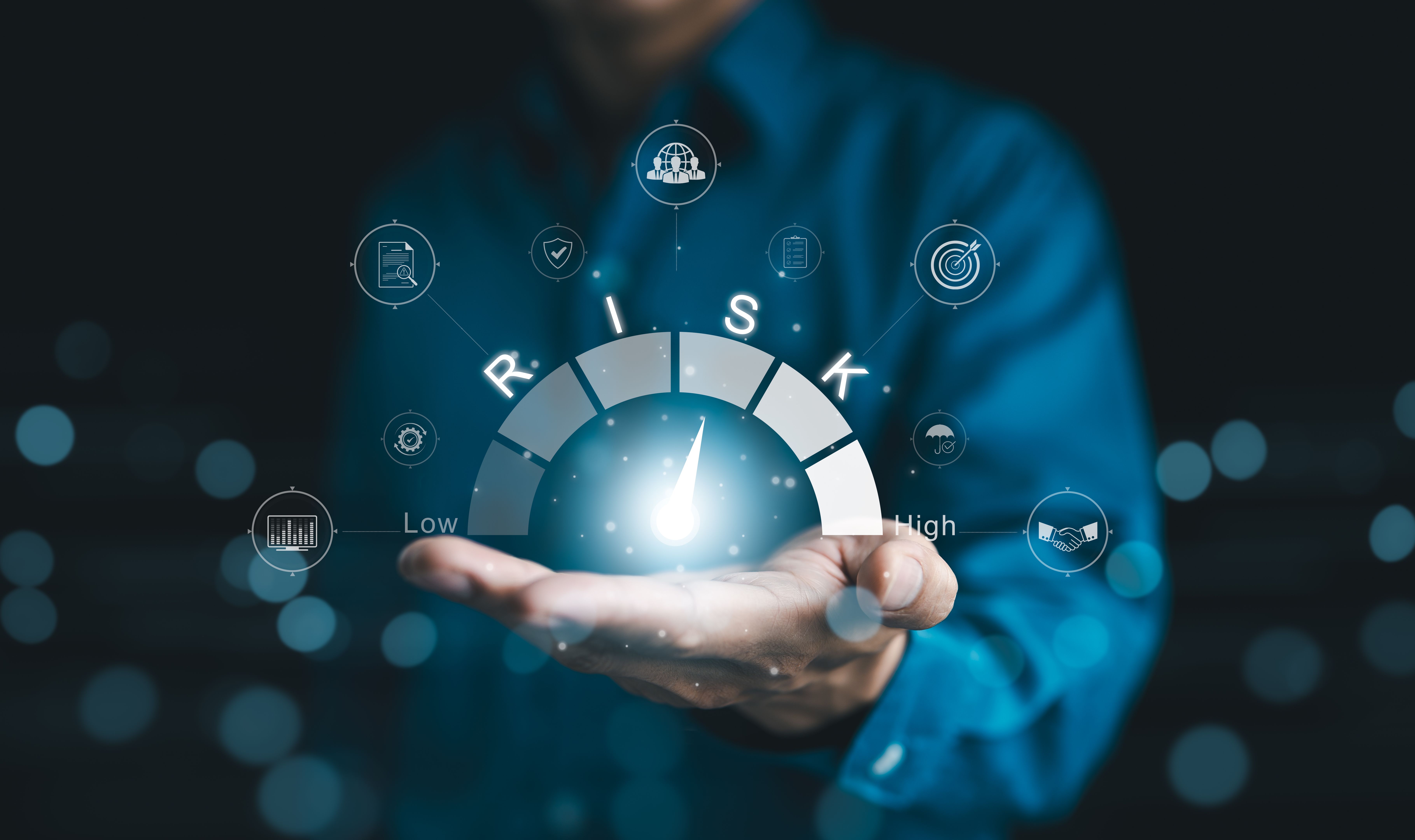
Data analytics is transforming the way organizations approach risk management. By collecting and analyzing data from various sources, companies can gain valuable insights into potential risks and vulnerabilities. This data-driven approach allows for more informed decision-making and helps businesses develop targeted risk mitigation strategies.
Moreover, predictive analytics is becoming a vital tool in the risk management arsenal. It enables businesses to forecast potential risks and take preventive measures before they materialize. This proactive approach not only reduces the likelihood of incidents but also minimizes their impact on operations.
Enhancing Safety Consulting with Technology
Technology is also playing a pivotal role in enhancing safety consulting services. Virtual reality (VR) and augmented reality (AR) are being used to simulate real-world scenarios and train employees on safety protocols. This immersive training method is more effective than traditional approaches, as it allows employees to experience potential hazards in a controlled environment.

Additionally, wearable technology is gaining traction in the safety consulting field. Devices such as smart helmets and vests can monitor vital signs and environmental conditions, alerting workers and supervisors to potential dangers. This real-time feedback is crucial for maintaining a safe working environment and preventing accidents.
Regulatory Changes and Their Impact
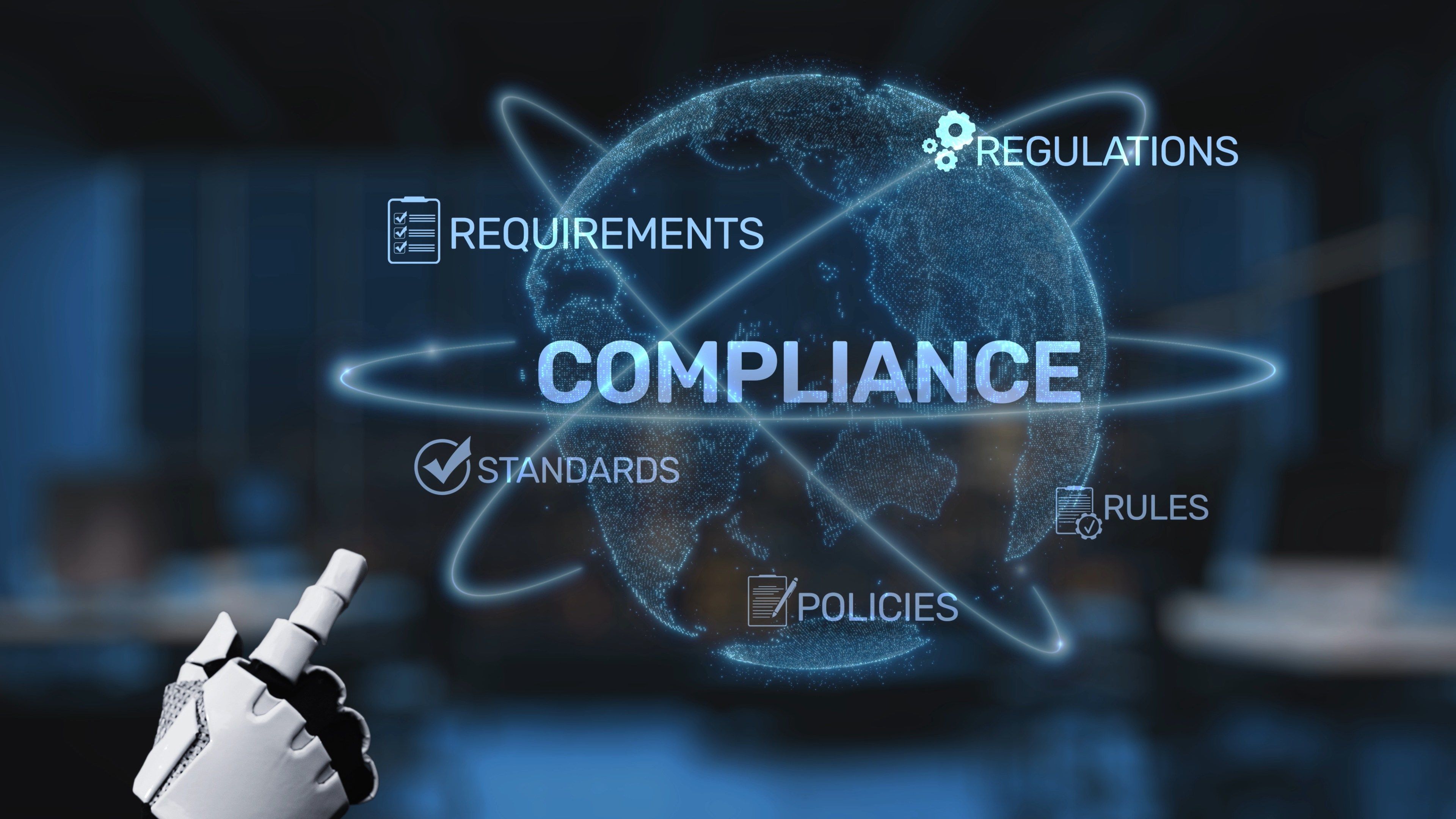
As regulations continue to evolve, businesses must stay informed and adapt their risk management strategies accordingly. Compliance with new regulations is essential to avoid legal penalties and maintain a positive reputation. Safety consultants play a crucial role in helping organizations navigate these changes and implement effective compliance strategies.
Furthermore, the globalization of business operations has introduced new regulatory challenges. Companies must now consider international regulations and standards when developing risk management plans. This requires a comprehensive understanding of different regulatory environments and effective communication between global teams.
Building a Culture of Safety
Creating a culture of safety within an organization is essential for effective risk management. This involves promoting a mindset where safety is a priority at all levels of the organization. Leadership must set the tone by demonstrating a commitment to safety and encouraging open communication about potential risks.
In addition, regular training and education are critical components of a strong safety culture. Employees should be equipped with the knowledge and skills needed to identify and respond to risks effectively. By fostering a culture of safety, organizations can reduce the likelihood of incidents and enhance overall productivity.
The Future of Risk Management and Safety Consulting
Looking ahead, the future of risk management and safety consulting is likely to be shaped by continued technological advancements and an increased focus on sustainability. Companies will need to develop strategies that not only protect their operations but also contribute to long-term environmental and social goals.
As the field evolves, collaboration between businesses, regulators, and technology providers will be essential. By working together, these stakeholders can develop innovative solutions that address emerging risks and enhance overall safety. The future promises to be dynamic and challenging, but with the right strategies, businesses can navigate the complexities of risk management and safety consulting successfully.