Effective Risk Management for Growing Businesses: A Comprehensive Guide


In today's fast-paced business environment, growing companies face a myriad of challenges, and effective risk management is crucial to navigating these complexities. By identifying, assessing, and prioritizing risks, businesses can implement strategies to minimize their impact and seize opportunities for growth.

Understanding Risk Management
Risk management involves a systematic approach to identifying and mitigating potential threats to a company's capital and earnings. These risks can stem from various sources, including financial uncertainties, legal liabilities, strategic management errors, accidents, and natural disasters.
A well-structured risk management plan helps businesses anticipate and prepare for potential challenges, ensuring they remain resilient and competitive. It also fosters a culture of proactive problem-solving and decision-making.
Types of Risks
Businesses typically encounter several types of risks, including:
- Operational Risks: These arise from internal processes, systems, or external events that disrupt operations.
- Financial Risks: These are related to financial transactions, including credit risks, market risks, and liquidity risks.
- Strategic Risks: These involve challenges in aligning business goals with market conditions and competitive pressures.
- Compliance Risks: These are associated with adhering to laws, regulations, and industry standards.
Developing a Risk Management Strategy
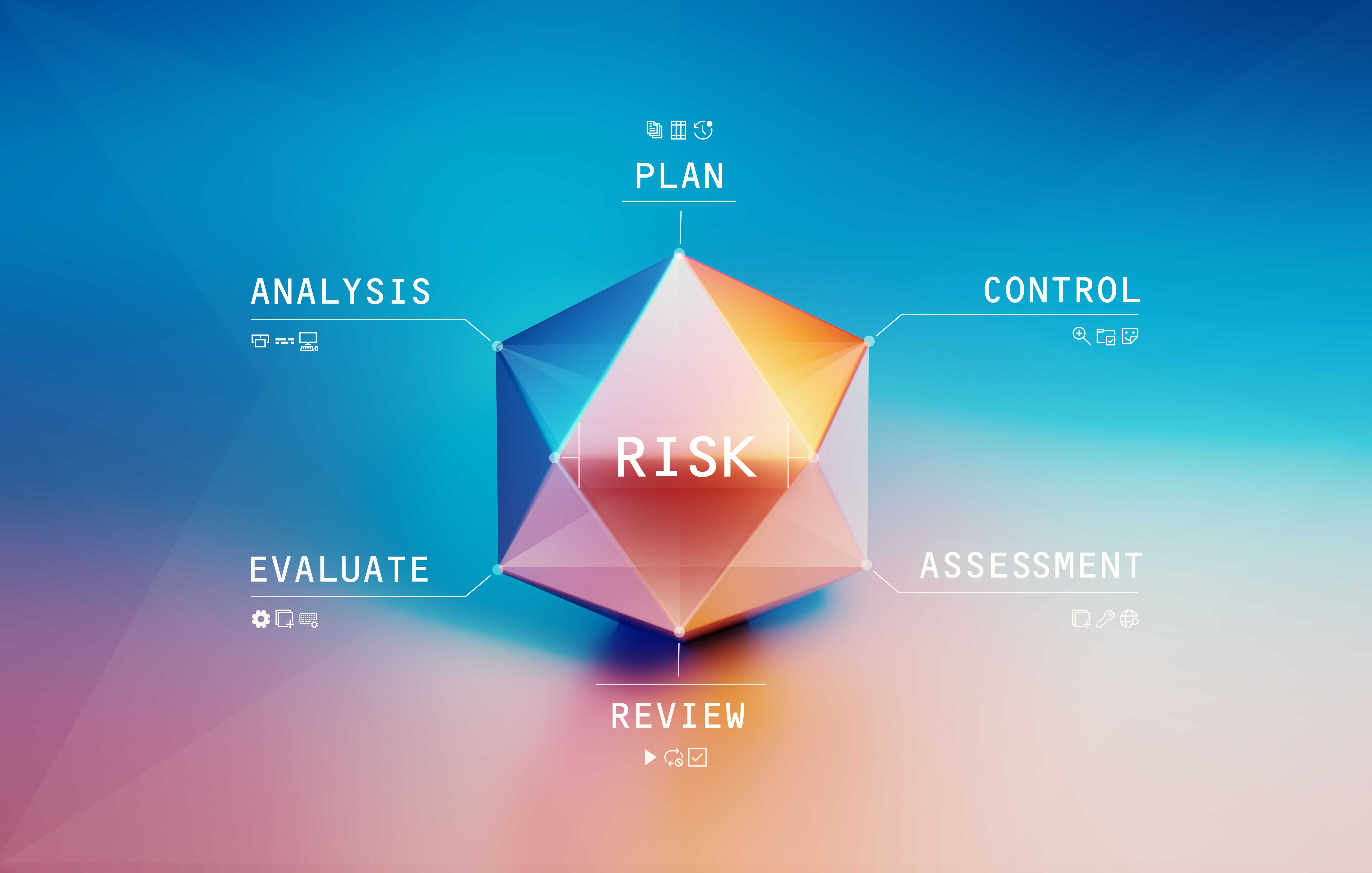
An effective risk management strategy includes several key steps:
- Risk Identification: Recognize potential risks that could impact the business.
- Risk Assessment: Evaluate the likelihood and potential impact of each identified risk.
- Risk Prioritization: Rank risks based on their severity and the potential impact on business objectives.
- Risk Mitigation: Develop and implement strategies to manage or eliminate risks.
- Monitoring and Review: Continuously monitor risks and review strategies to ensure effectiveness.
Implementing Risk Mitigation Techniques
Once risks are identified and assessed, businesses can implement various mitigation techniques, such as:
- Avoidance: Altering plans to circumvent risks.
- Reduction: Taking steps to reduce the impact of risks.
- Transfer: Sharing risks with third parties, such as through insurance.
- Acceptance: Acknowledging risks and preparing to manage their impact.
The Role of Technology
Technology plays a vital role in modern risk management by providing tools and platforms for real-time data analysis and decision-making. Software solutions can automate risk assessments, track key performance indicators, and alert management to potential issues, enabling quicker and more informed responses.
Moreover, digital solutions offer enhanced communication capabilities, allowing teams to collaborate effectively and respond to risks more efficiently. This connectivity is essential for growing businesses that need to adapt rapidly to changing market conditions.
Building a Risk-Aware Culture
Creating a risk-aware culture within an organization is crucial for effective risk management. This involves educating employees about the importance of risk management and encouraging them to identify and report potential risks. By fostering an environment where everyone is vigilant and proactive, businesses can better protect themselves against unforeseen challenges.
Ultimately, effective risk management is not just about preventing losses; it's about seizing opportunities for growth and innovation. By embracing a comprehensive risk management strategy, businesses can navigate uncertainties with confidence and continue to thrive in an ever-changing landscape.