DIY Safety Tips: Insights from Portland's Best Risk Management Experts


Understanding the Importance of DIY Safety
Embarking on a DIY project can be both exciting and rewarding. However, safety should always be a top priority. According to Portland's leading risk management experts, understanding the potential risks and taking the necessary precautions can prevent accidents and ensure a successful project.
With the right mindset and preparation, you can enjoy the process while keeping yourself and others safe. Here are some essential safety tips to consider before starting your next DIY endeavor.

Proper Planning and Preparation
Before diving into a project, it's crucial to plan thoroughly. This includes understanding the scope of the project, gathering all necessary materials, and estimating the time required to complete the task. Risk management experts recommend creating a detailed checklist to ensure nothing is overlooked.
Preparation also involves familiarizing yourself with the tools you'll be using. Make sure you know how they operate and are aware of any potential hazards. If you're unsure, don't hesitate to consult the user manual or seek professional advice.
Gathering the Right Tools and Equipment
Having the correct tools and equipment is essential for any DIY project. Using the wrong tools can lead to accidents and damage. Invest in high-quality tools that are appropriate for your project and ensure they are well maintained. Regularly inspect them for any signs of wear or damage.
Personal Protective Equipment (PPE)
Wearing the right personal protective equipment (PPE) is non-negotiable when it comes to DIY safety. Depending on the project, this may include gloves, goggles, masks, and ear protection. PPE serves as the first line of defense against potential injuries.
It's important to select PPE that fits well and is comfortable to wear for extended periods. Ill-fitting equipment can be both ineffective and distracting, increasing the risk of accidents.
Understanding Common Hazards
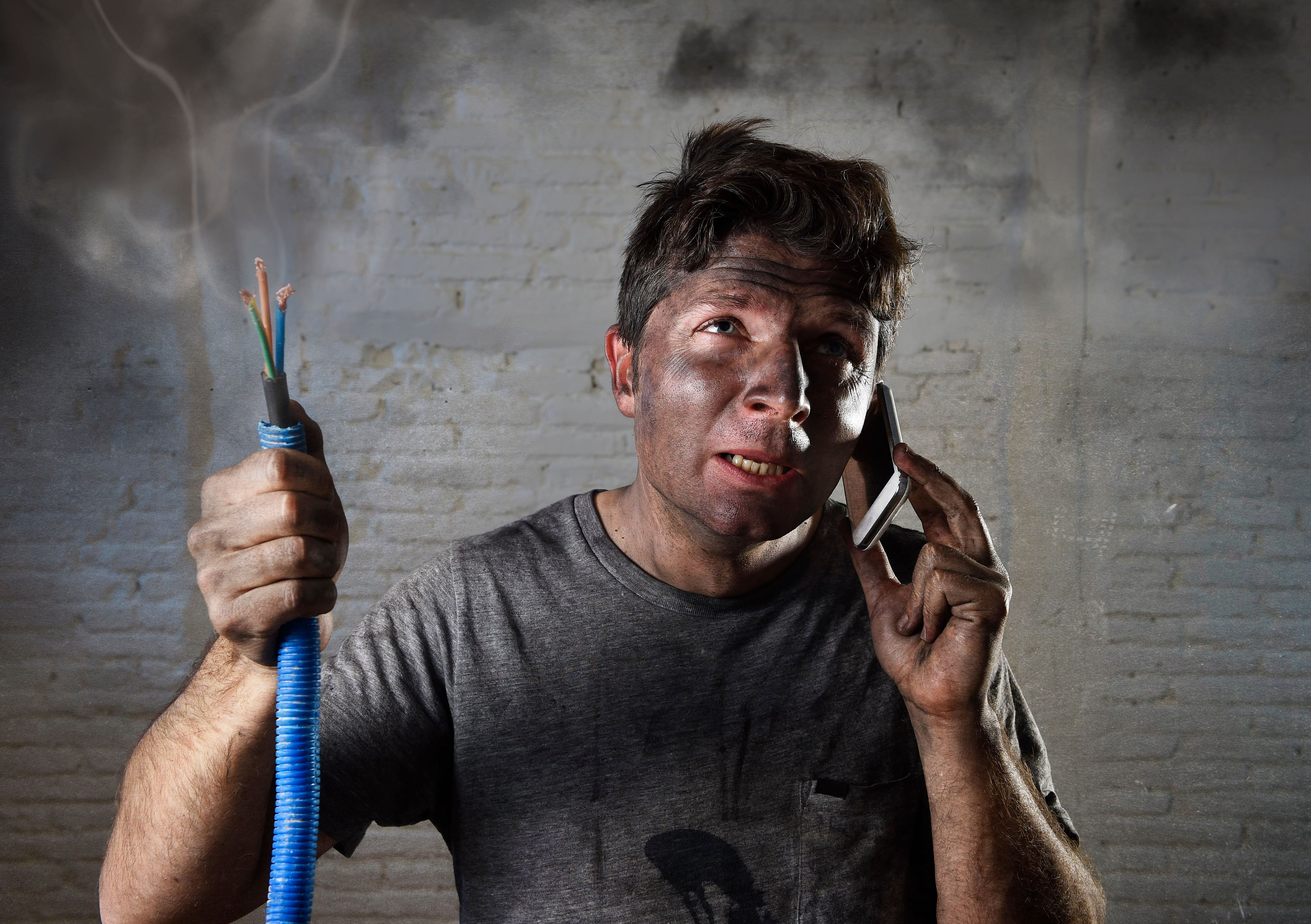
Being aware of common hazards associated with DIY projects can help you take proactive measures to avoid them. These hazards may include electrical shocks, falls, or exposure to harmful chemicals. Understanding these risks allows you to implement safety measures effectively.
Emergency Preparedness
No matter how careful you are, accidents can still happen. Being prepared for emergencies can make a significant difference in the outcome. Have a well-stocked first aid kit nearby, and familiarize yourself with basic first aid procedures.
Additionally, keep emergency contact numbers accessible. In case of severe injuries, knowing who to call and how to provide initial care can be lifesaving.
Continuous Learning and Improvement
Finally, never stop learning. Stay updated on the latest safety guidelines and techniques. Engage with DIY communities and forums to learn from others' experiences. Continuous improvement not only enhances your skills but also significantly reduces the risk of accidents.
By following these expert safety tips, you can enjoy your DIY projects with confidence, knowing you're well-protected against potential risks.