Case Study: Successful Implementation of Safety Guidelines for Remote Teams


Introduction
The shift to remote work has brought numerous challenges, particularly in maintaining workplace safety. This case study explores how a company successfully implemented comprehensive safety guidelines for their remote teams, ensuring productivity and well-being.
As organizations adapt to the new normal, it becomes crucial to address the unique safety concerns that arise when employees work from home. Let's delve into how these guidelines were effectively rolled out.

Understanding the Challenges
Remote work introduces several safety challenges that businesses must address. These include ergonomic issues, data security, and mental health concerns. Recognizing these potential hurdles is the first step toward developing effective solutions.
Ergonomic Concerns
Many remote workers lack a proper home office setup, leading to discomfort or injury. Ergonomic guidelines help employees create a workspace that minimizes strain and promotes physical health.

Data Security
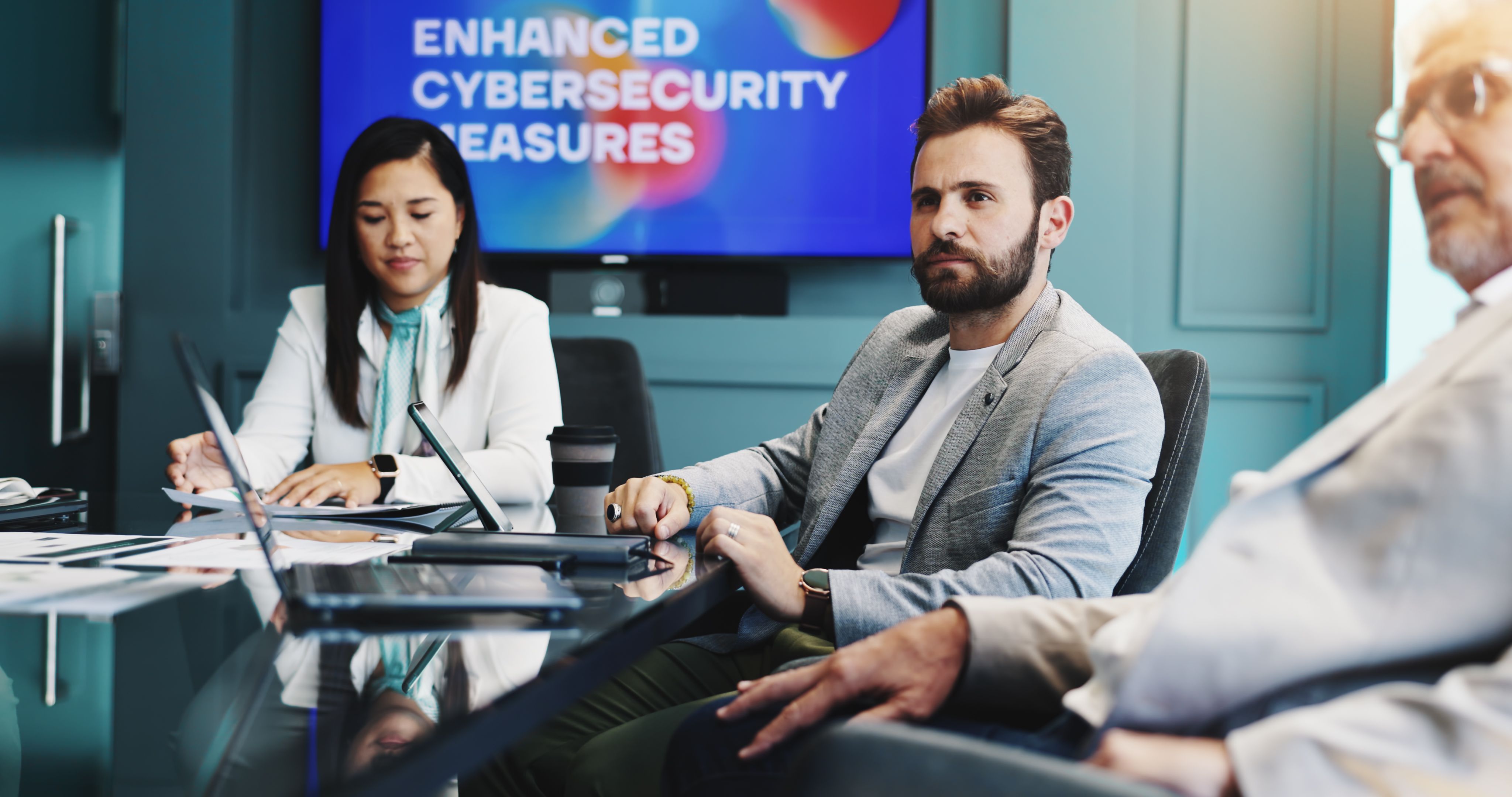
With more employees working outside the office, protecting sensitive information is paramount. Implementing robust cybersecurity measures is essential to safeguard company data.
Developing Comprehensive Guidelines
The company began by conducting a thorough assessment of the potential risks associated with remote work. Based on this assessment, they drafted a set of guidelines that addressed the identified challenges.
- Provide ergonomic training and resources.
- Implement strict data security protocols.
- Offer mental health support and resources.
Implementation and Training
Once the guidelines were established, the next step was implementation. This involved training sessions to ensure all employees understood the new protocols. The company used various platforms to reach their remote teams effectively.
Engaging Training Sessions
Interactive webinars and workshops were conducted to provide hands-on experience. These sessions were crucial in helping employees adopt the new safety measures seamlessly.
Monitoring and Feedback
Continuous monitoring and feedback loops were established to assess the effectiveness of the guidelines. Regular check-ins allowed the company to make necessary adjustments and ensure ongoing compliance.

Employee Feedback
Soliciting feedback from employees provided valuable insights into the practical aspects of the guidelines. This feedback helped refine the measures to better suit the needs of remote workers.
Conclusion
The successful implementation of safety guidelines for remote teams demonstrates the importance of a proactive approach. By addressing ergonomic, security, and mental health concerns, the company not only protected their employees but also fostered a productive remote work environment.
Organizations looking to enhance their remote work policies can learn from this case study. A well-structured plan that includes training, monitoring, and feedback is vital for maintaining safety and efficiency in a remote setting.